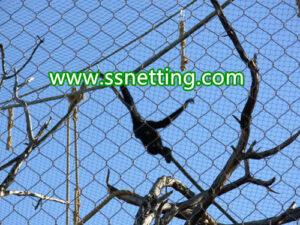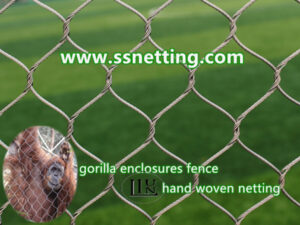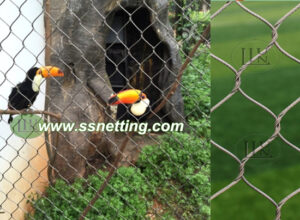

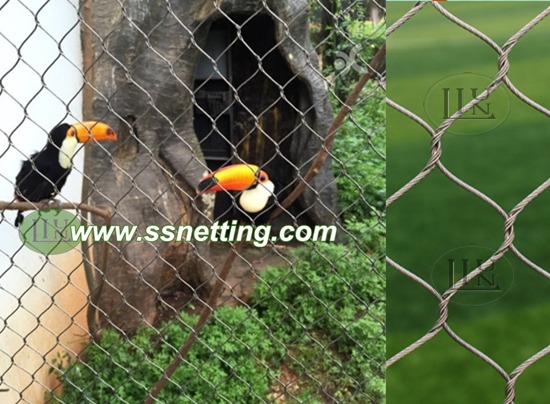
Choosing the right material for your parrot enclosure is vital. Parrots are intelligent and strong birds. They use their beaks to climb and explore. Standard wire often fails to meet their needs. This is where stainless steel parrot cage mesh becomes the gold standard.
In this guide, we will explore everything you need to know. We will cover safety, durability, and how to choose the best mesh for your feathered friends.
Why Choose Stainless Steel for Parrot Cages?
Many bird owners ask why stainless steel is better than galvanized wire. The answer lies in bird health. Most wire meshes are coated with zinc or lead. These metals are toxic to parrots. Parrots often “beak” their cage wires. Over time, they ingest small amounts of these toxins. This leads to “New Cage Syndrome” or heavy metal poisoning.
Stainless steel is different. It is safe for all bird species. Whether you have a small Budgie or a large Macaw, stainless steel is the safest choice.
The Durability of Stainless Steel Mesh
Parrots have incredible jaw strength. A large parrot can easily snap thin or weak wires. Stainless steel mesh is incredibly strong. It resists stretching and breaking.
Furthermore, it does not rust. If you keep your birds outdoors, weather is a concern. Rain and humidity destroy standard steel. Stainless steel remains shiny and strong for decades. It is a one-time investment that lasts a lifetime.
Understanding Material Grades: SS304 vs. SS316
When shopping for stainless steel parrot cage mesh, you will see two main grades. These are SS304 and SS316.
SS304: The Standard Choice
SS304 is the most common grade. It offers excellent corrosion resistance. It is perfect for indoor cages. It also works well in most outdoor environments. It is more affordable than SS316 but still provides top-tier safety.
SS316: The Coastal Choice
SS316 contains molybdenum. This makes it even more resistant to salt and chemicals. If you live near the ocean, SS316 is a must. The salty sea air can corrode SS304 over many years. SS316 will withstand the harshest coastal conditions.
Different Types of Stainless Steel Mesh
There are two primary styles of mesh used for bird enclosures. Each has its own benefits.
1. Stainless Steel Welded Wire Mesh
This mesh is made of solid iron wires welded at each intersection. It is very rigid and inexpensive, but it is prone to rust and has a short service life.
2. Stainless Steel Rope Mesh (Flexible Netting)
This is a modern choice for large aviaries. It is made of thin stainless steel cables woven together. It is very flexible and light. It allows for creative, curved enclosure designs. It also has a “soft” feel. If a bird flies into the mesh, the rope mesh absorbs the impact better than rigid wire.
Choosing the Right Mesh Size and Wire Diameter
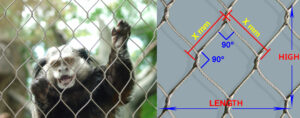
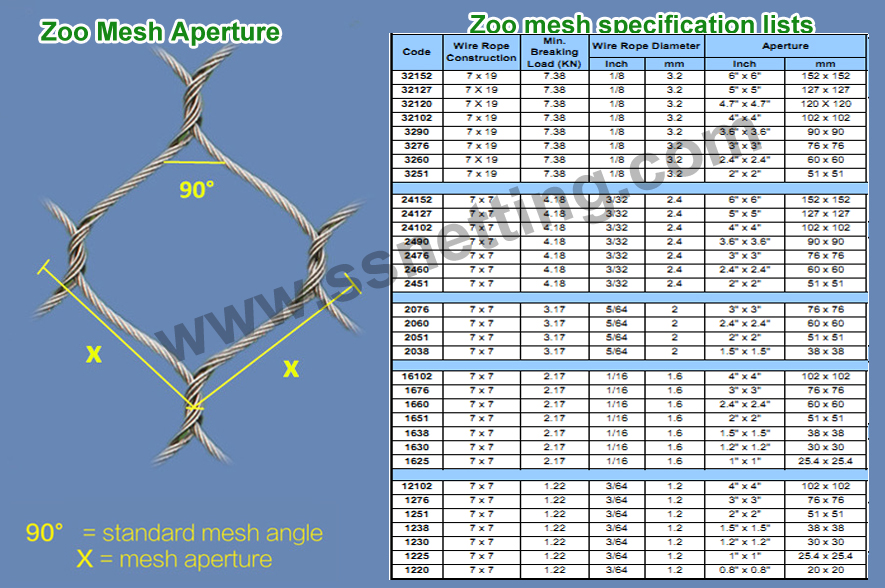
Mesh size is the “gap” between the wires. Wire diameter is the thickness of the wire itself. You must match these to your bird’s size.
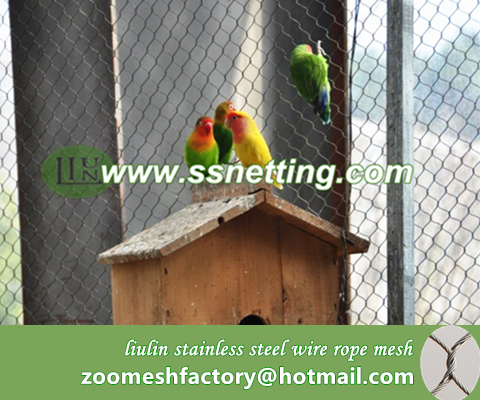
Small Parrots (Budgies, Cockatiels, Lovebirds)
- Mesh Size: 0.8 inch to 1 inch.
- Wire Diameter: 1.2mm.
- Why: Smaller gaps prevent the bird from getting its head stuck.
Medium Parrots (African Greys, Amazons, Conures)
- Mesh Size: 1 inch to 2 inch.
- Wire Diameter: 1.2mm to 1.6mm.
- Why: These birds need thicker steel rope to prevent bending.
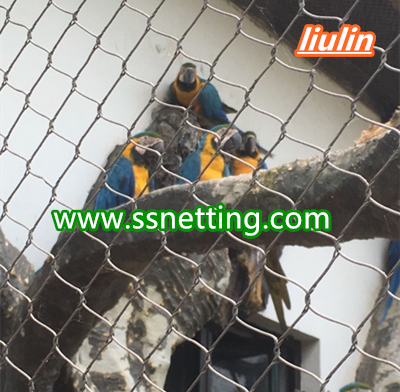
Large Parrots (Macaws, Cockatoos)
- Mesh Size: 1.5 inch to 2.4 inch.
- Wire Diameter: 1.6mm to 2.0mm.
The Benefits of High Visibility
One often overlooked benefit of stainless steel is visibility. Stainless steel wire can be very thin while remaining very strong. Thinner wires mean fewer obstructions for your eyes.
When you use stainless steel parrot cage mesh, the mesh seems to “disappear.” You get a much clearer view of your birds. This makes your aviary look more natural and beautiful. It also helps the birds feel less “trapped.”
Ease of Cleaning and Maintenance
Parrots are messy. They throw fruit, seeds, and droppings everywhere. Keeping a cage clean is essential for bird health.
Stainless steel is non-porous. Bacteria and mold cannot grow inside the material. You can use high-pressure water or mild soap to clean it. It will not peel or flake like powder-coated cages. You don’t have to worry about rust spots forming after a wash.
Building a DIY Stainless Steel Aviary
Many enthusiasts choose to build their own walk-in aviaries. Using stainless steel mesh makes this process rewarding.
Step 1: Design the Frame
Use aluminum or stainless steel tubing for the frame. Avoid wood, as parrots can chew through it.
Step 2: Attach the Mesh
You can use stainless steel zip ties or “C-clips” to attach the mesh to the frame. Ensure there are no sharp edges pointing inward.
Step 3: Add the Doors
Design a double-door system (a safety porch). This prevents birds from escaping when you enter.
Cost vs. Value: Is it Worth the Price?
Stainless steel is more expensive upfront. It can cost double or triple the price of galvanized wire. However, consider the long-term value.
- Bird Safety: You save money on expensive vet bills for zinc poisoning.
- Longevity: You won’t need to replace the cage every 5 years due to rust.
- Resale Value: Stainless steel cages hold their value very well.
In the long run, stainless steel is actually the cheaper option.
Common Myths About Stainless Steel Mesh
Myth 1: “It’s too heavy.”
Actually, because stainless steel is so strong, you can use thinner wires. This often makes the mesh lighter than galvanized versions of the same strength.
Myth 2: “It reflects too much light.”
While new mesh is shiny, it dulls slightly over time to a soft grey. This reduces glare. Some owners also use specialized non-toxic treatments to darken the wire.
Where to Buy Quality Mesh
Environmental Impact of Stainless Steel
Conclusion
Your parrot deserves a safe and secure home. Stainless steel parrot cage mesh provides the ultimate protection.
Whether you are building a small indoor cage or a massive outdoor aviary, choose stainless steel. It is the best investment you can make for your bird’s health and happiness.
Final Checklist for Buyers:
- Identify your bird species.
- Choose the correct mesh aperture.
- Select the right wire thickness.
- Pick the grade (SS304 for most, SS316 for coasts).
- Measure your area twice before ordering.
Call to Action: Ready to upgrade your bird’s home? Browse our selection of premium stainless steel parrot cage mesh today. We offer custom sizes and worldwide shipping for all your aviary needs!