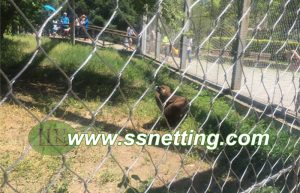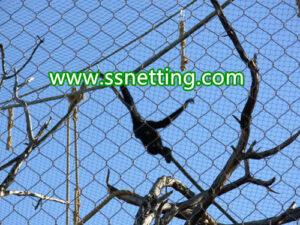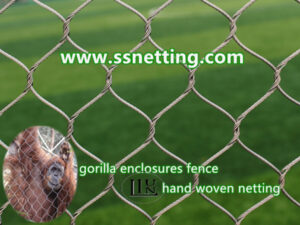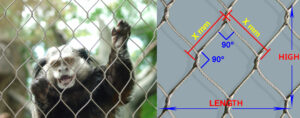

This comprehensive guide explores zoo mesh—commonly referred to as stainless steel wire rope mesh or stainless steel cable mesh—and its transformative role in modern zoological design. We cover key benefits like durability, transparency, and animal safety, detail critical specifications (material grades, mesh sizes), walk through step-by-step installation, compare cost-effectiveness with traditional materials, and share real-world applications. Ideal for zoo managers, architects, and wildlife sanctuary operators, this blog explains why stainless steel zoo mesh is the gold standard for creating immersive, secure habitats.
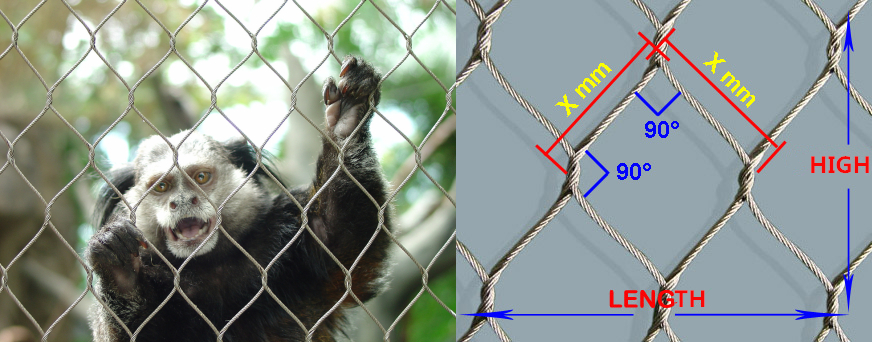
The Evolution of Zoo Mesh in Modern Zoology
What Is Zoo Mesh? Key Definitions & Terminology
- Zoo Mesh: The umbrella term for wire mesh products designed specifically for animal enclosures. It includes stainless steel wire rope mesh, stainless steel cable mesh, and specialized variants for different species.
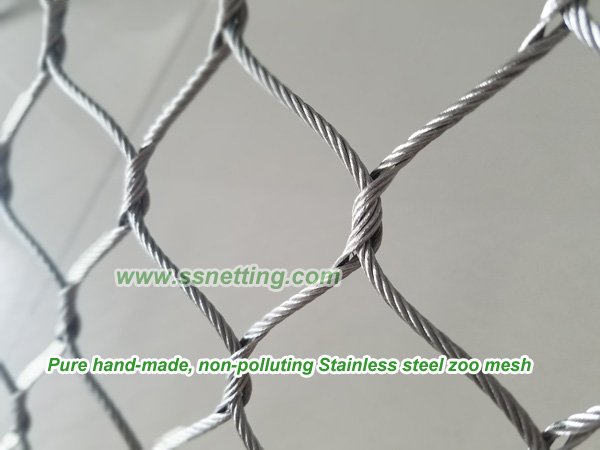
- Stainless Steel Wire Rope Mesh: A hand-woven or ferrule-connected mesh made from stainless steel ropes. It features a diamond-shaped aperture and is known for flexibility and strength.
- Stainless Steel Cable Mesh: Synonymous with stainless steel wire rope mesh, this term emphasizes the cable-like structure of the mesh strands. It’s often used in architectural and zoological contexts.
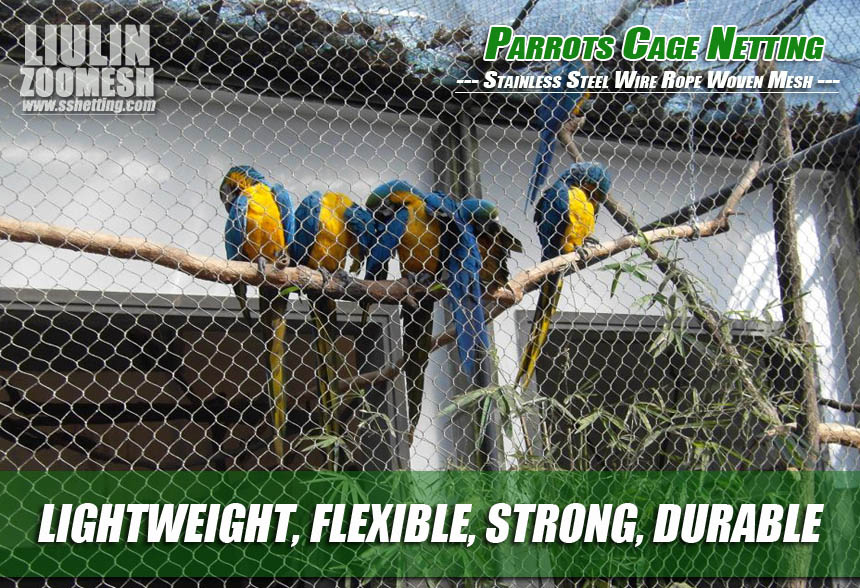
- Aviary Mesh: A subset of zoo mesh tailored for bird enclosures, with finer apertures to prevent escapes and protect delicate feathers.
Core Benefits of Stainless Steel Wire Rope Mesh for Zoos
Zoo mesh—particularly stainless steel wire rope mesh—offers unique advantages that make it superior to traditional fencing materials like galvanized steel or welded wire. Here are the top benefits:
Key Specifications: Choosing the Right Zoo Mesh
Selecting the correct zoo mesh depends on three critical factors: the animal species, environmental conditions, and safety requirements. Here are the key specifications to consider:
- 304 Stainless Steel: Ideal for indoor enclosures or temperate climates. It offers good corrosion resistance and is cost-effective for most applications.
- 316 Stainless Steel: Known as “marine grade,” it contains molybdenum for extra resistance to chlorides. This is essential for coastal zoos, outdoor enclosures exposed to salt air, or areas with high humidity.
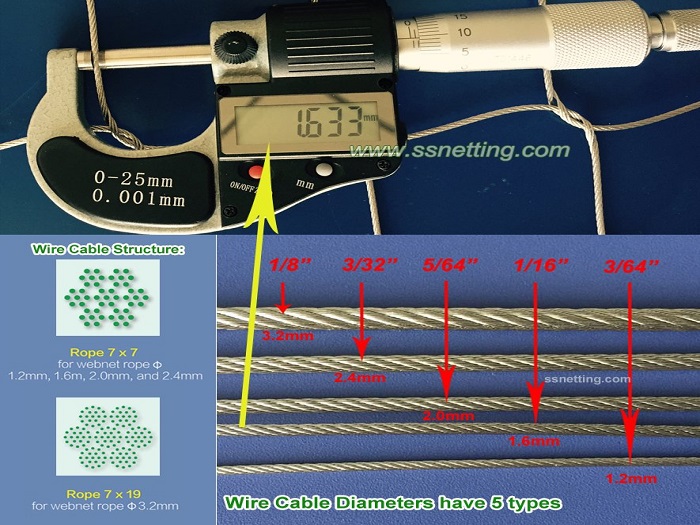
- 7×7 Strand: Used for wire diameters under 2.5 mm. Suitable for small birds, reptiles, or non-aggressive animals.
- 7×19 Strand: Used for wire diameters over 2.5 mm. Offers higher tensile strength for large animals like tigers, gorillas, or bears.
- Small Birds (Finches, Parrots): ≤ 25 mm (1 inch) to prevent escapes and keep predators out.
- Large Birds (Eagles, Flamingos): 50 mm to 75 mm (2-3 inches) to balance containment and visibility.
- Large Mammals (Tigers, Bears): 100 mm to 200 mm (4-8 inches) for strength without compromising visibility.
Step-by-Step Zoo Mesh Installation Guide
Proper installation is critical for the mesh’s performance and longevity. Follow these steps for a successful setup:
- Zoo mesh panels (stainless steel wire rope mesh/stainless steel cable mesh)
- Concrete posts (spaced ≤ 3 meters apart for stability)
- Boundary cable (6-10 mm stainless steel for perimeter support)
- Lacing wire, hog rings, and a hog ring plier
- Wire cutters, grinders, and stainless steel clamps
- Buried anchors (≥ 30 cm deep) to prevent digging
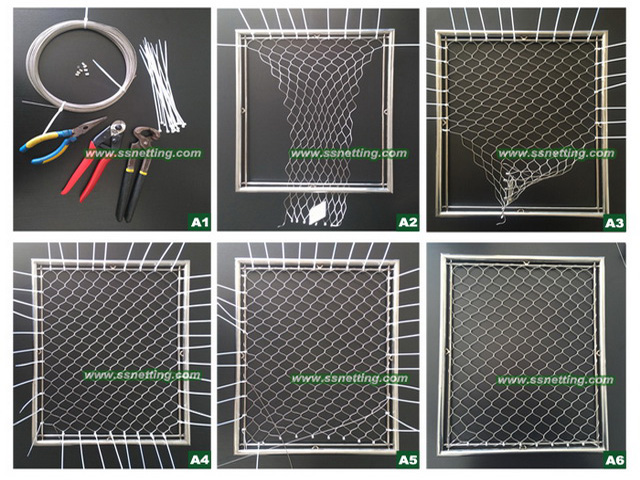
- Verify the mesh size matches the frame size.
- Stretch the mesh tightly (pre-stress to ensure it’s “drum-tight”).
- Use cable ties to fix the mesh corners to the frame, then secure both sides from top to bottom.
- Stretch downward while securing to maintain consistent diamond apertures.
- Cut excess mesh with wire cutters and fasten edges with stainless steel cards.
- Use wire rope (larger diameter than the mesh) to attach the mesh to the frame.
- Remove cable ties and grind sharp edges for safety.
Why Stainless Steel Zoo Mesh Offers Better ROI
- Lifespan: 5-7 years (starts rusting within years)
- Maintenance: Frequent painting, rust treatments, and repairs
- Hidden Costs: Replacement labor, material waste, and downtime during upgrades
- Lifespan: 30+ years (no rust or corrosion)
- Maintenance: Minimal (quarterly inspections, annual cleaning)
- Total Cost of Ownership: 50-70% lower than traditional materials over 20 years
Real-World Applications of Zoo Mesh
Invest in Quality Zoo Mesh for Sustainable Zoological Design
Ready to upgrade your animal enclosures with durable, transparent zoo mesh? Contact our experts NOW for a free custom quote—we prioritize fast project turnaround to meet your timeline!