
Stainless steel wire rope mesh has rapidly emerged as one of the most versatile and visually appealing materials in modern construction and design. Whether you are an architect specifying materials for a landmark building, a zoo planner designing safe animal habitats, or a landscaper creating a stunning green wall, this flexible cable mesh delivers a rare combination of strength, elegance, and durability. In this comprehensive guide, we will explore everything you need to know about stainless steel wire rope mesh — from its material grades and specifications to its wide-ranging applications and installation best practices.
What Is Stainless Steel Wire Rope Mesh?
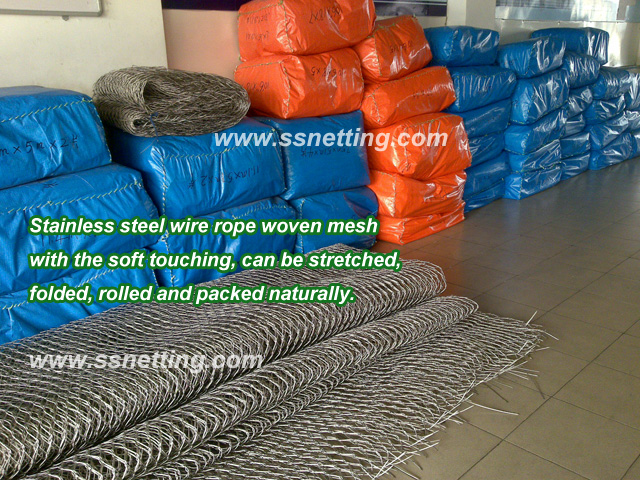
Stainless steel wire rope mesh — also referred to as stainless steel cable mesh, flexible wire mesh, or wire rope netting — is a hand-woven or machine-woven net made from high-quality stainless steel wire ropes. Each intersection is secured with durable ferrules or sleeves, creating a stable yet flexible grid structure. Unlike rigid welded mesh panels, this type of architectural wire mesh can be bent, curved, and shaped to fit nearly any contour.
The result is a lightweight, transparent, and incredibly strong mesh that performs equally well as a safety barrier, a decorative element, or a functional support system. Common wire diameters range from 1.2mm to 3.2mm, with mesh aperture sizes varying from as small as 20mm x 20mm to as large as 300mm x 300mm, depending on the intended application.
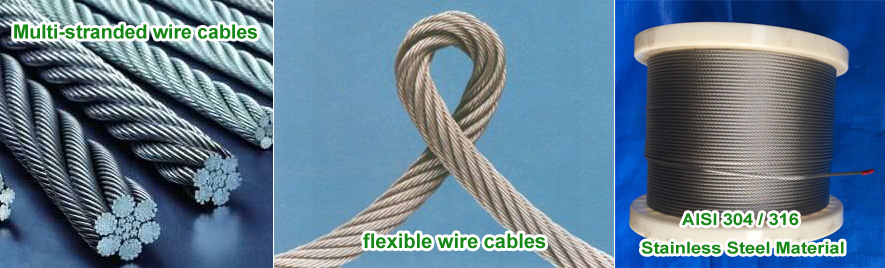
Key Material Grades: AISI 304 vs. AISI 316
One of the most important decisions when selecting stainless steel wire rope mesh is choosing the right material grade. The two most widely used options are:
AISI 304 Stainless Steel Mesh
AISI 304 is the most common grade of stainless steel. It offers excellent corrosion resistance in most atmospheric environments and is highly cost-effective. This makes 304 stainless steel mesh an excellent choice for indoor applications, interior balustrades, decorative screens, and outdoor use in mild or moderate climates.
AISI 316 Stainless Steel Mesh
For projects exposed to harsh conditions — such as coastal areas with salt spray, industrial zones with chemical pollutants, or swimming pool environments — AISI 316 stainless steel cable mesh is the superior choice. Grade 316 contains molybdenum, which significantly enhances its resistance to pitting and crevice corrosion. If your project is near the ocean or requires long-term outdoor durability without maintenance, upgrading to 316 is a decision you will never regret.
Pro tip: When in doubt about environmental conditions, always consult your supplier. A reliable manufacturer will help you evaluate the site and recommend the right material grade. (Need expert advice? Contact us today for a free consultation.)
Top 6 Benefits of Stainless Steel Wire Rope Mesh
1. Exceptional Flexibility and Design Freedom
Unlike rigid panels, flexible stainless steel mesh can be curved around columns, wrapped over domes, or stretched across irregular frames. Architects love this material because it opens up creative possibilities that traditional materials simply cannot offer.
2. Outstanding Strength-to-Weight Ratio
Despite its airy, lightweight appearance, stainless steel wire rope netting can withstand remarkable loads. A properly installed cable mesh system provides robust fall protection, animal containment, and impact resistance without the visual bulk of heavy steel structures.
3. Corrosion Resistance and Longevity
High-grade stainless steel wire rope mesh resists rust, oxidation, and degradation for decades. With minimal maintenance, installations can last 25 years or more — even in demanding outdoor environments.
4. Transparency and Visual Appeal
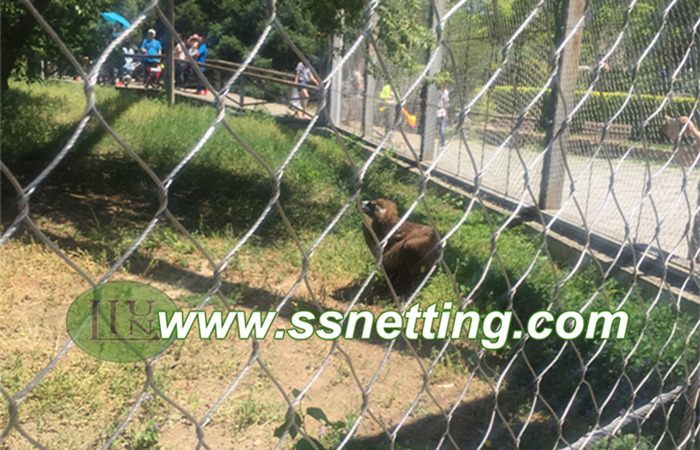
One of the most celebrated features of architectural wire mesh is its near-invisibility. The thin cables create a sense of openness while still functioning as a physical barrier. This makes stainless steel rope netting ideal for balustrades, viewing platforms, and zoo enclosures where unobstructed sightlines are essential.
5. Low Maintenance Requirements
Once installed, stainless steel cable mesh requires very little upkeep. Occasional cleaning with water and mild detergent is usually sufficient to keep it looking new. There is no need for painting, coating, or frequent replacement — a major advantage over galvanized or coated alternatives.
6. Environmentally Sustainable
Stainless steel is 100% recyclable. Choosing stainless steel wire rope mesh contributes to green building certification goals and aligns with sustainable construction practices. Additionally, when used as a green wall support system, the mesh actively contributes to urban biodiversity and building energy efficiency.
Major Applications of Stainless Steel Wire Rope Mesh
Zoo Enclosures and Aviaries
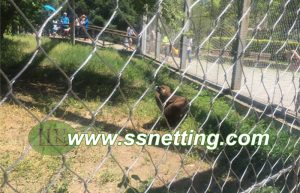
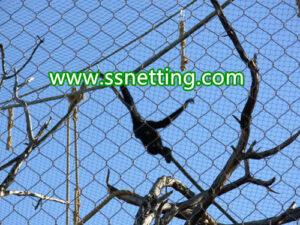
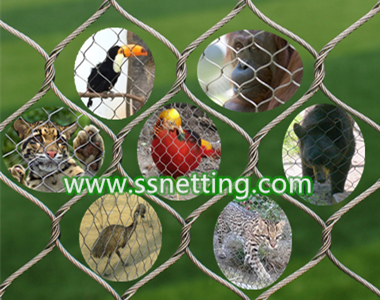
Modern zoos have moved away from traditional bars and thick glass toward more naturalistic habitats. Stainless steel wire rope mesh is now the material of choice for primate enclosures, big cat habitats, bird aviaries, and reptile exhibits around the world. The flexible stainless steel mesh provides secure containment while allowing visitors an almost completely unobstructed view of the animals.
Animals also benefit from the material’s forgiving nature. If an animal jumps against the mesh, the flexibility of the cable netting absorbs impact without causing injury — a critical safety feature that rigid materials cannot match.
Green Wall and Living Facade Systems
Green walls — also known as vertical gardens or living walls — depend on a robust support structure for climbing plants. Stainless steel wire rope mesh serves as the ideal trellis system. The cables provide a reliable climbing surface for ivy, wisteria, jasmine, and countless other species while resisting the moisture and organic acids present in soil and plant matter.
A well-designed green facade with stainless steel rope mesh not only beautifies a building but also improves thermal insulation, reduces urban heat island effects, and enhances air quality. For architects pursuing LEED or BREEAM certification, this is a powerful design element.
Balustrade and Railing Infill
Glass balustrades offer transparency but come with high costs and heavy maintenance. Stainless steel cable mesh infill delivers a similarly open aesthetic at a fraction of the price — with zero risk of shattering. Used in staircases, balconies, footbridges, and atrium railings, flexible cable mesh meets stringent safety codes while maintaining clean, contemporary lines.
Fall Protection and Safety Barriers
From parking garages and multi-story atriums to industrial platforms and pedestrian bridges, stainless steel wire rope netting provides reliable fall protection without creating a claustrophobic feel. The mesh can be tensioned horizontally, vertically, or at any angle required by the structure. Compliance with international safety standards makes it a go-to solution for engineers and safety consultants.
Architectural Facades and Decorative Screens
High-profile buildings increasingly use stainless steel woven mesh as a signature design element. Whether as a secondary skin that filters sunlight, a decorative ceiling installation, or a sculptural partition, architectural wire mesh adds texture and depth to any space. The interplay of light and shadow through the open weave creates a dynamic visual effect that changes throughout the day.
Aviary Netting and Bird Enclosures
For bird parks, butterfly gardens, and wildlife sanctuaries, stainless steel rope mesh provides a nearly invisible barrier. The mesh is fine enough to contain small bird species yet strong enough to resist damage from beaks and claws. Unlike nylon or plastic alternatives, stainless steel aviary netting will not degrade under UV exposure or become brittle over time.
Perimeter Fencing and Security
In high-security applications — airports, data centers, correctional facilities — stainless steel cable mesh offers a formidable physical barrier with excellent visibility for surveillance cameras and patrol staff. Its resistance to cutting and climbing makes it a preferred alternative to traditional chain-link fencing.
How to Choose the Right Stainless Steel Wire Rope Mesh
Selecting the optimal mesh for your project involves evaluating several key parameters:
| Parameter | Options | Recommendation |
|---|---|---|
| Material Grade | AISI 304, AISI 316 | 316 for coastal/industrial; 304 for general use |
| Wire Diameter | 1.2mm, 1.6mm, 2.0mm, 2.4mm, 3.2mm | 1.6mm–2.4mm for most architectural use |
| Mesh Aperture | 20mm to 300mm (custom sizes available) | 40mm–80mm for balustrade; 25mm–150mm for zoo/facade |
| Surface Finish | Natural, electropolished, black oxide | Natural for most projects; black for design accent |
| Mesh Panel Size | Custom width and height available | Confirm maximum dimensions with supplier |
Important: Always verify that your selected mesh meets local building codes and safety regulations. A professional supplier should provide technical data sheets, load capacity calculations, and installation guides.
Installation Best Practices
Proper installation is critical to the performance and longevity of your stainless steel wire rope mesh. Here are the key steps:
Frame Preparation: Ensure the supporting frame or structure is rigid, properly anchored, and capable of bearing the tensioned load of the mesh.
Tensioning: Use appropriate tensioning hardware — turnbuckles, tension rods, or spring-loaded connectors — to achieve uniform tension across the entire mesh panel. Uneven tension can lead to sagging or premature wear.
Edge Fixing: Secure mesh edges with continuous clamping bars or individual fixing points spaced at consistent intervals. This distributes loads evenly and prevents localized stress.
Inspection Points: Design the installation to allow periodic inspection of connection points, especially in safety-critical applications like fall protection and animal containment.
Professional Installation: For large-scale or safety-critical projects, always engage experienced installers. The modest additional cost is a wise investment in long-term performance and liability protection.
Cost Considerations
The price of stainless steel wire rope mesh depends on several factors: material grade, wire diameter, mesh aperture size, panel dimensions, and surface finish. Generally, AISI 304 mesh is more economical, while AISI 316 commands a premium for its superior corrosion resistance. Custom sizes and special finishes will also affect pricing.
Rather than fixating on the lowest initial cost, smart buyers evaluate total lifecycle value. A high-quality stainless steel cable mesh that lasts 25+ years with minimal maintenance often proves far more economical than cheaper alternatives that require frequent replacement or upkeep.
When requesting quotes, be sure to ask about:
- MOQ (minimum order quantity)
- Lead time and production schedule
- Shipping and packaging costs
- Sample availability
Stainless steel wire rope mesh is more than just a building material — it is a design solution that bridges the gap between safety, functionality, and aesthetics. Whether you are enclosing a gorilla habitat, wrapping a building in greenery, or installing a sleek balustrade, this flexible cable mesh delivers unmatched performance and visual elegance.
The combination of corrosion-resistant stainless steel, a flexible woven structure, and near-invisible transparency makes it an indispensable tool for architects, engineers, and builders worldwide. By selecting the right grade, diameter, and aperture — and working with a trusted supplier — you can ensure your project stands out for all the right reasons.
Take the next step.
Contact us today to discuss your stainless steel wire rope mesh requirements. Request samples, compare specifications, and secure the best pricing for your project. Our team is ready to support you from design to delivery.