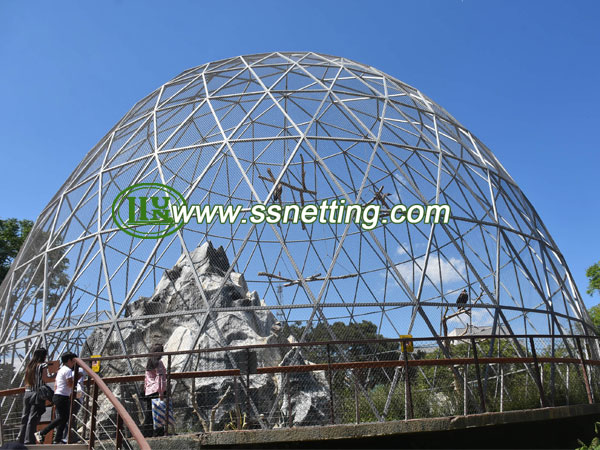
In zoos, ecological parks, research institutions, private aviaries, and large landscape gardens, aviary protective mesh not only serves the basic functions of preventing escape and providing secure containment, but also directly impacts the comfort of the birds, management efficiency, and the overall aesthetic of the landscape.Therefore, a scientifically sound and rational aviary mesh installation plan should involve systematic design from initial layout planning to construction details, rather than simply erecting a protective structure.
Ⅰ. Pre-installation planning:Clearly define bird characteristics and requirement.
The installation of animal enclosure mesh should first be planned based on the species and habits of the birds being kept. Different bird species vary significantly in flight height, impact force, and pecking ability, and therefore have different requirements for mesh size, wire diameter, and structural strength.
During the planning phase, the following factors should be given careful consideration:
• The spatial dimensions and height of the aviary, and whether a fully enclosed or semi-enclosed structure is required;
• The number of birds and their activity frequency, to avoid excessive density leading to concentrated stress on the mesh;
• Whether the design needs to accommodate visitor viewing angles or natural lighting conditions;
• The local climate and environmental conditions, such as the impact of strong winds, rainfall, and ultraviolet radiation on the durability of the materials.
Ⅱ. Key considerations for selecting aviary mesh:structural safety and long-term durability.
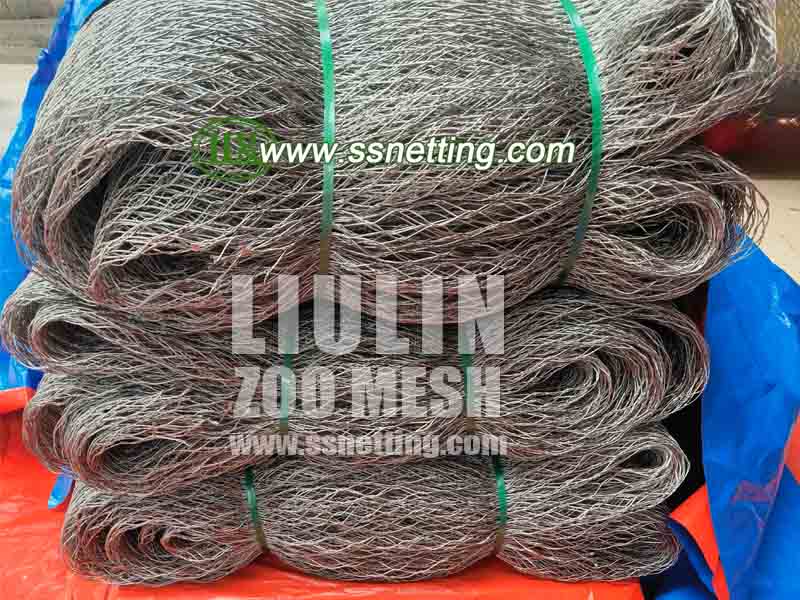
In terms of material selection, industrial parks and engineering projects typically prioritize stainless steel or high-strength galvanized bird fence. Stainless steel offers superior corrosion resistance and lifespan, making it suitable for long-term outdoor or high-humidity environments; while hot-dip galvanized or plastic-coated steel wire mesh provides a good balance between cost control and protective performance.
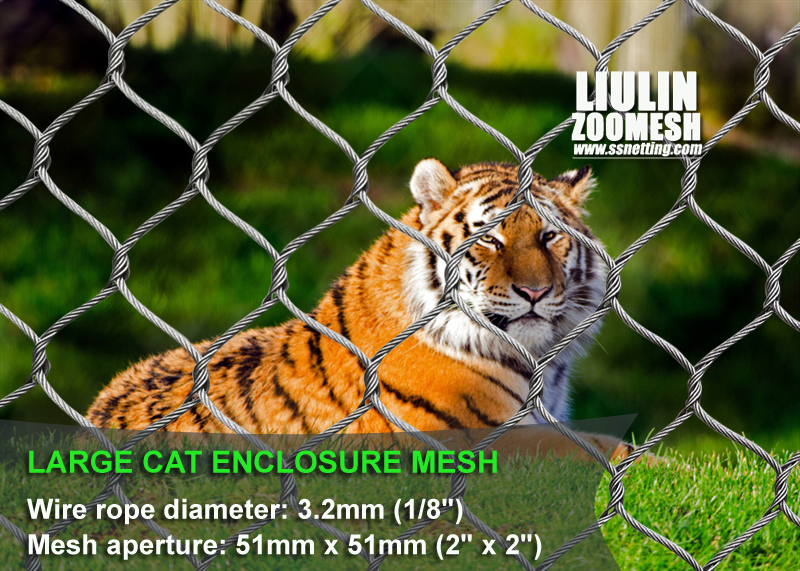
The zoo animal mesh size should be carefully chosen to prevent birds from escaping while not hindering their normal flight and perching; the wire diameter and weaving structure determine the overall tensile strength and impact resistance, which are core indicators for ensuring safety.
Ⅲ. Common layout methods for aviary mesh
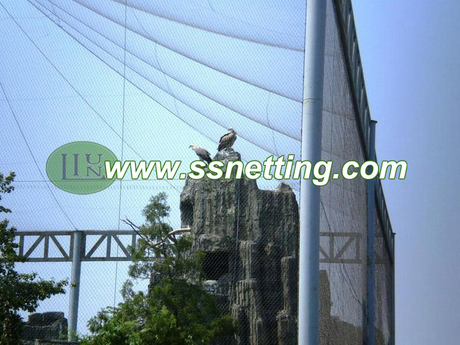
1. Top-Covered Structure: Suitable for open aviaries or large bird exhibition areas, where a complete flying space is formed by tensioning the mesh from the top. The key is ensuring even tension and reliable edge fixation.
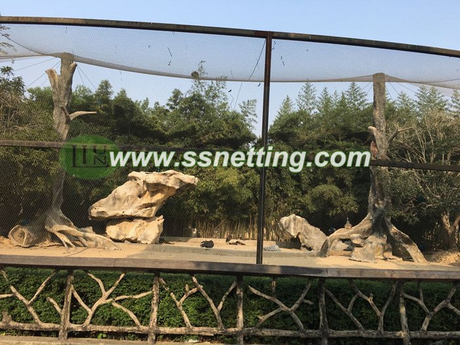
2. Frame-Enclosed Structure: Uses steel structures or columns as a framework to secure the aviary enclosure fence to the sides and top.Suitable for standardized aviaries or research and breeding areas.
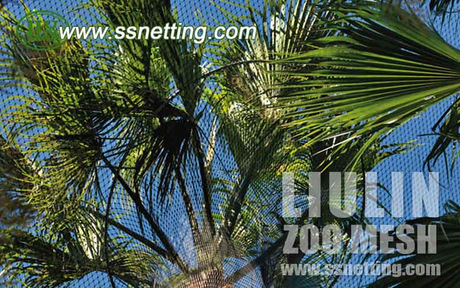
3. Landscape-Integrated Layout: Combines the aviary mesh with vegetation, rockeries, or pergolas to minimize the visual impact of the mesh and enhance the overall ecological and landscape effect.
Conclusion
As a professional supplier specializing in animal enclosure and protective mesh solutions, Liulin Company provides a wide range of specifications and highly reliable bird fence products and technical support for various aviary projects.We help our clients create safe, durable, and ecologically sound spaces for birds.Please contact us for more detailed selection and installation advice.
 English